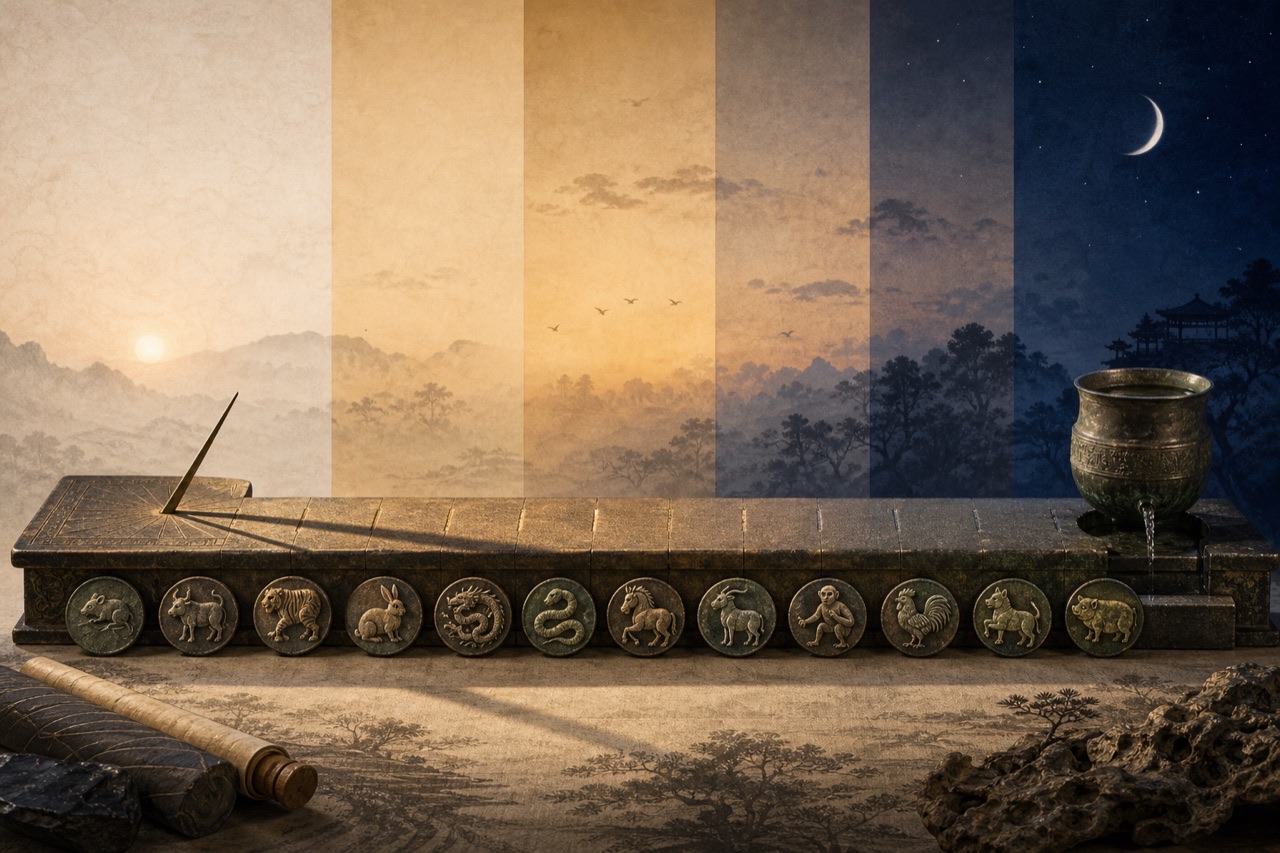
Think in relationships
The phases describe movement and change, not five isolated decorative categories.
Cycles, Materials & Time
Explore Wuxing, the solar terms, traditional timekeeping, materials, seasons, and change as connected Chinese frameworks.
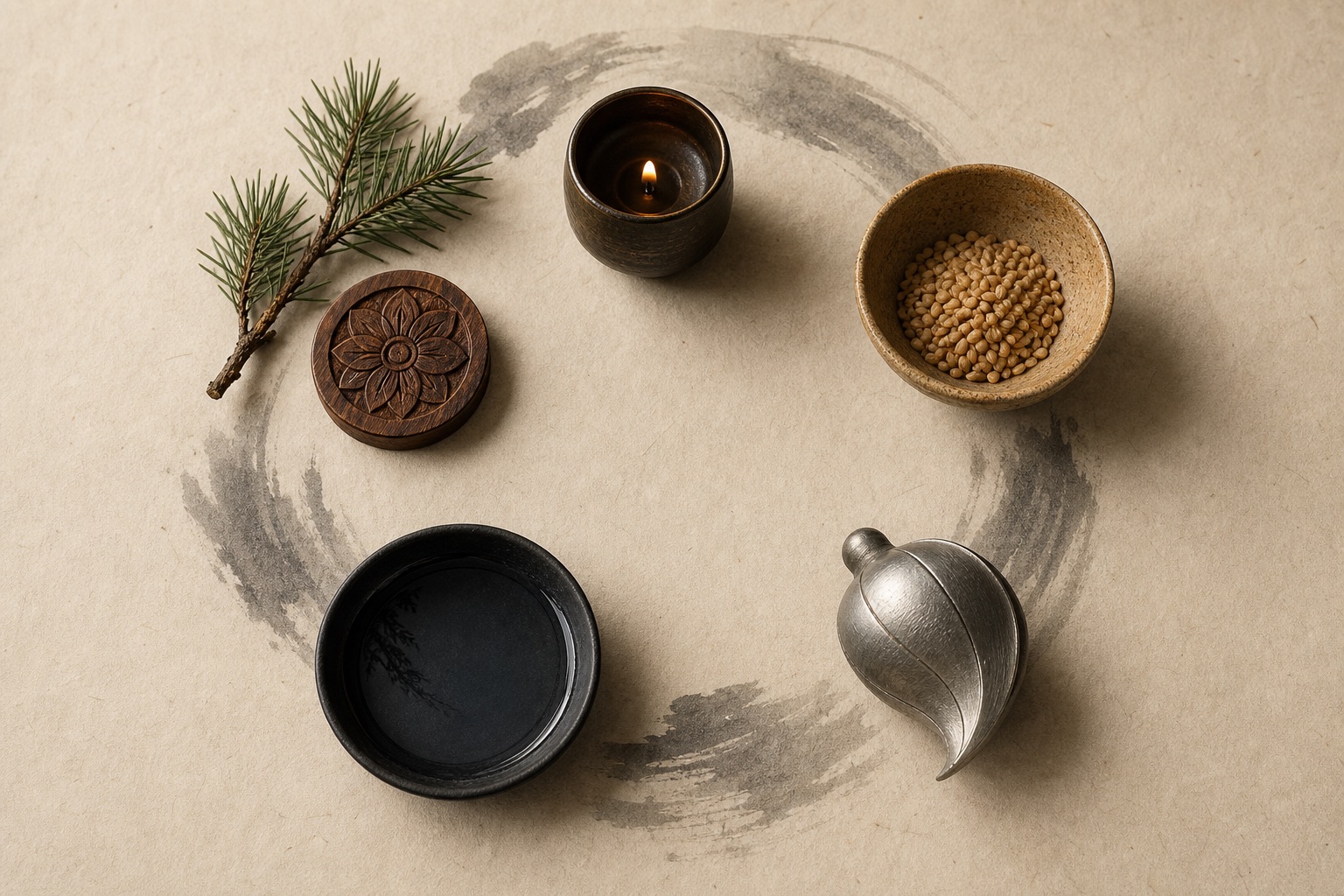
Explore by topic
A grounded approach
The phases describe movement and change, not five isolated decorative categories.
Calendar, shichen, seasonal, and astronomical conventions changed across place and period.
Seasonal practices are cultural and reflective guidance, not medical treatment.
Selected reading
Guide 01
Learn the Five Elements—or Five Phases—of Chinese thought, their cycles, traditional associations, and practical use in modern interiors.
Read the guideGuide 02
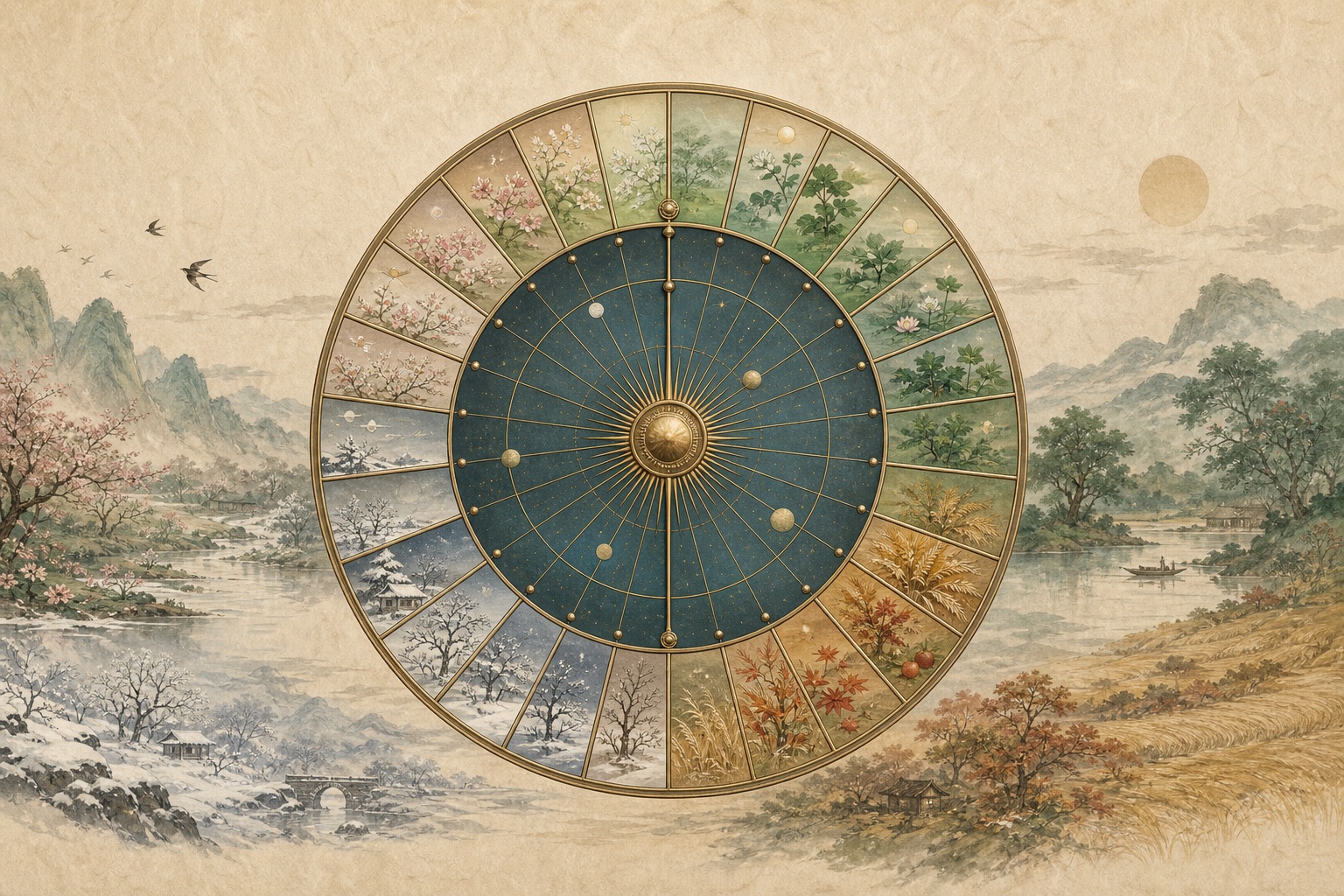
Explore all 24 solar terms, their approximate dates, astronomical basis, seasonal meanings, agricultural history, and practical use for a global audience.
Read the guideGuide 03
Learn what Liqiu means, when Beginning of Autumn occurs, how its customs developed, and how to adapt the solar term thoughtfully to your local climate.
Read the guideGuide 04
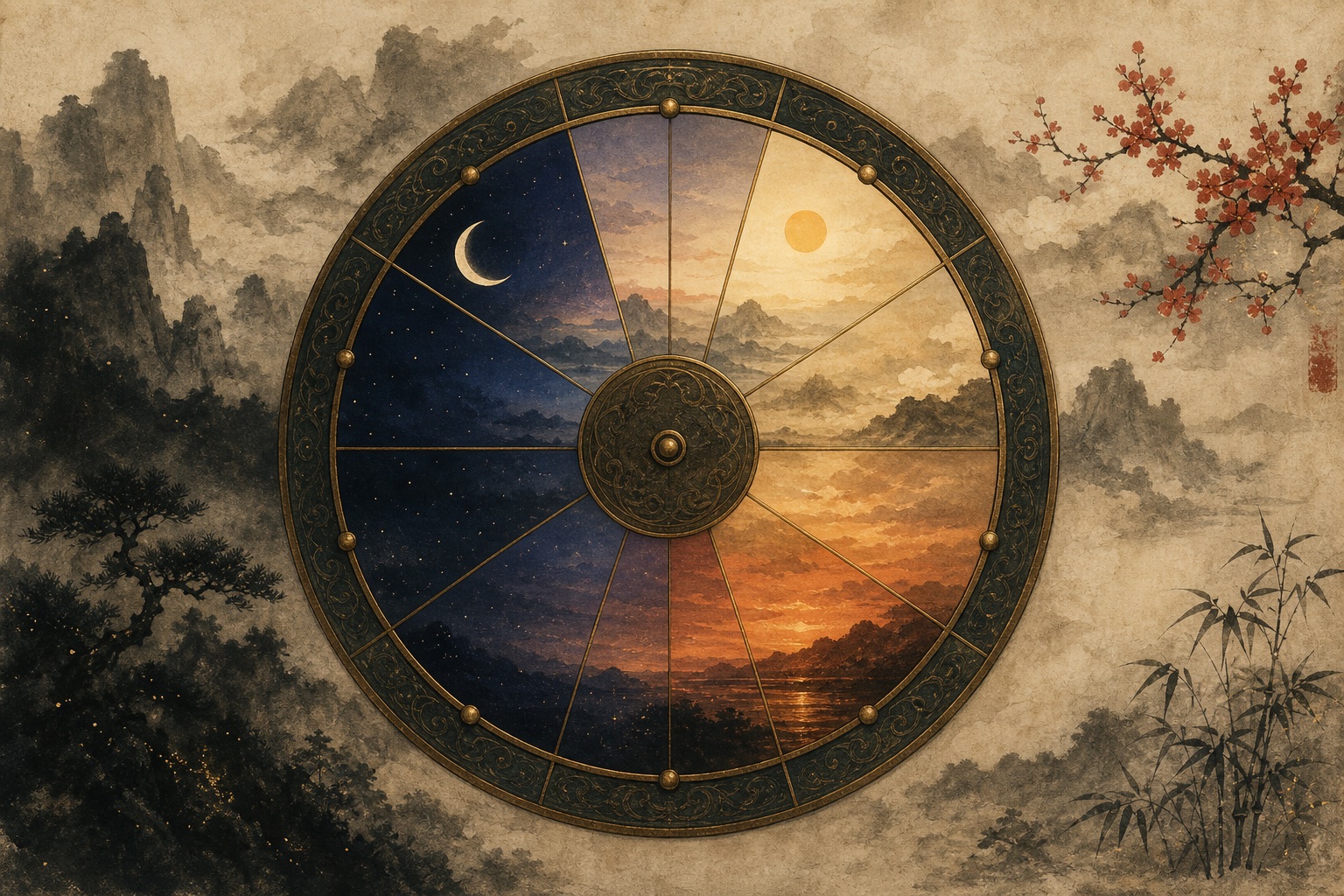
Use the complete 12-shichen chart, then explore how traditional Chinese hours connect Earthly Branches, day-part names, timekeeping devices, literature, and birth-time systems.
Read the guideGuide 05
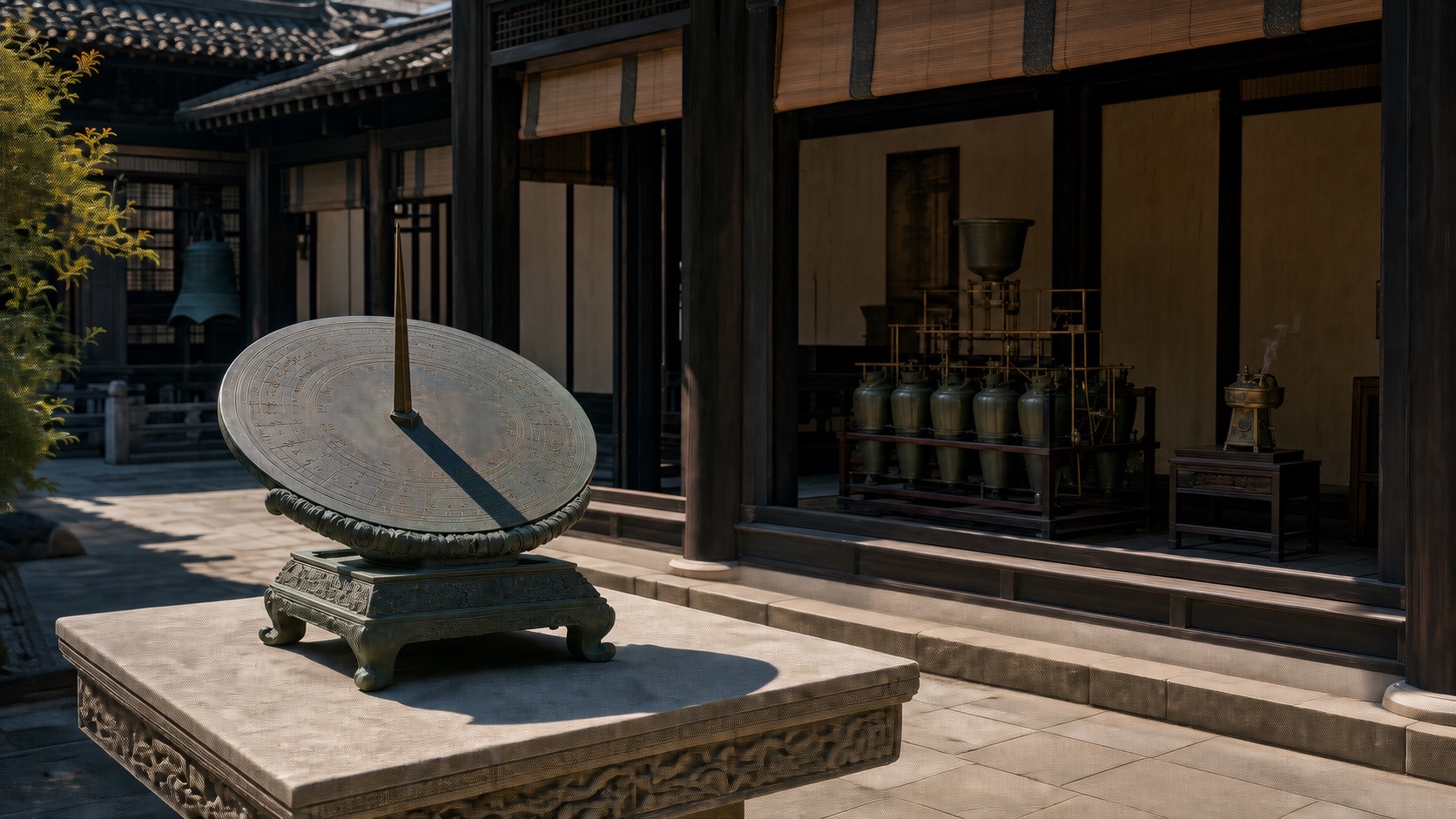
Compare the main ways time was observed, measured, displayed, and announced in imperial China—from sunlight and flowing water to incense, clock towers, drums, and bells.
Read the guideGuide 06
Learn how Chinese water clocks used regulated flow, vessels, floats, indicator rods, scales, and trained timekeepers—and why pressure, temperature, and calibration mattered.
Read the guideGuide 07
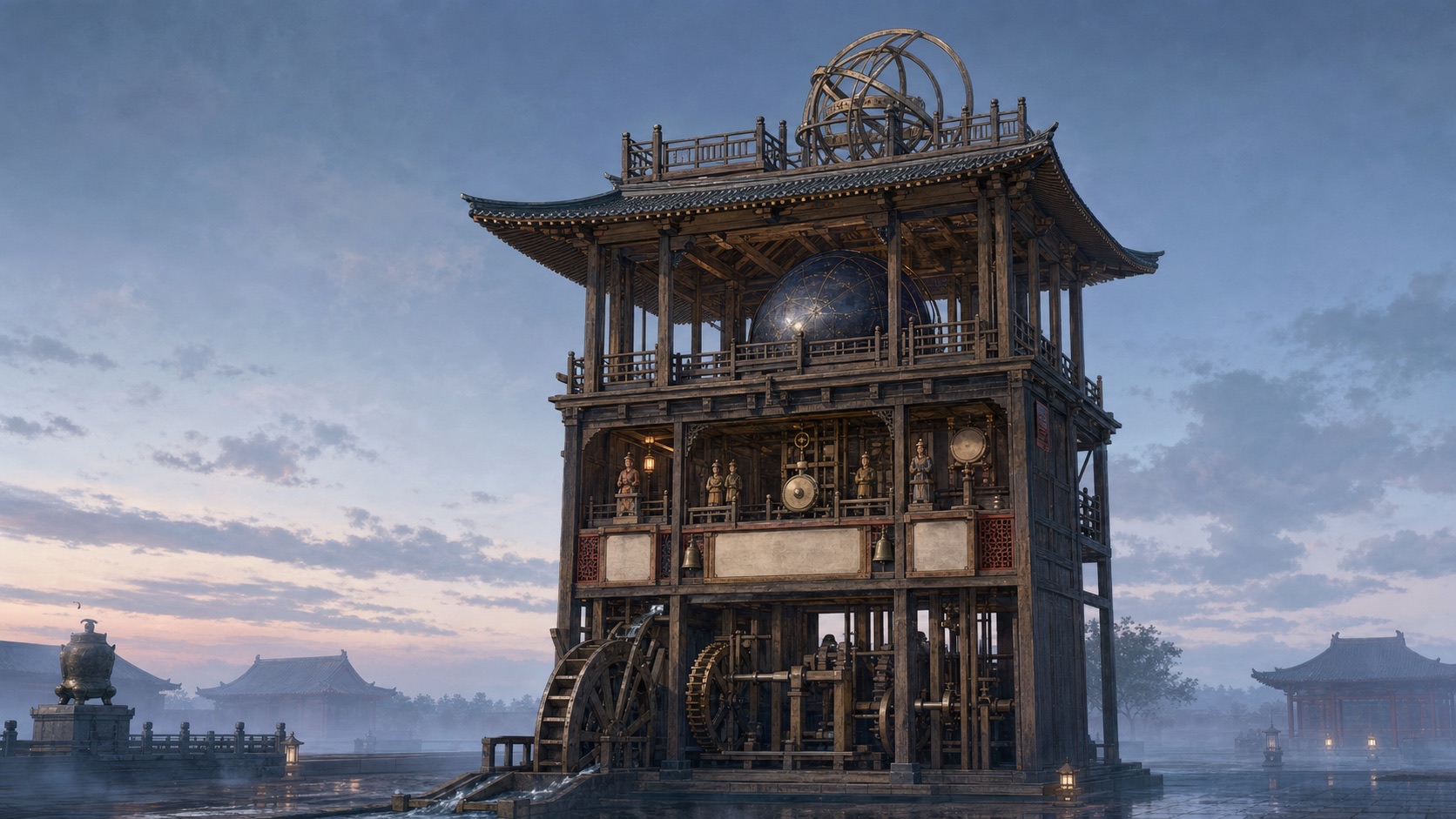
Explore how Su Song's 12-meter water-powered tower combined an armillary sphere, celestial globe, hydropower, gearing, time displays, bells, gongs, drums, and night reporting.
Read the guideGuide 08
Find the animal and Earthly Branch for any two-hour period, then separate a quick birth-hour lookup from the year animal and complete BaZi hour pillar.
Read the guide